한국문화소개 11
kkakdugi
[Inner Culture: Kkakdugi]
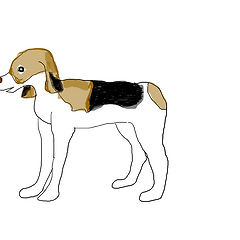
Kkakdugi literally refers to diced radish kimchi, but in traditional Korean children’s play, the term also carried a distinctive social meaning. A kkakdugi was usually a younger child, a physically less capable friend, or someone who did not fit neatly into either of two competing groups. Rather than being excluded from the game, however, the kkakdugi was allowed to participate without being strictly assigned to either side.
What is particularly significant about this practice is that the kkakdugi could join the game regardless of skill, age, or physical ability. The two groups did not treat such a child as an outsider. Instead, both sides informally recognized the child’s right to participate, allowing them to move between the groups and continue playing with friends or older children. In this sense, kkakdugi functioned as a culturally specific mechanism of inclusion.
This practice offers an interesting contrast to moral traditions in which belonging to two sides may be portrayed negatively, as disloyalty or opportunism. In the Korean playground tradition of kkakdugi, however, moving between two groups was not necessarily regarded as betrayal. The ordinary rules of children’s play could instead make an exception for those who were younger, weaker, less skilled, or otherwise likely to be left out.
Through such informal playground rules, children learned that playing together did not always require everyone to meet the same standards or follow exactly the same rules. Equality, in this context, did not necessarily mean treating everyone identically. Rather, it could mean modifying the rules so that someone who might otherwise be excluded could still belong.
For this reason, kkakdugi can be understood as more than a nostalgic feature of Korean childhood culture. It embodies a small but meaningful ethics of inclusion: the community temporarily suspends strict rules of competition in order to preserve another person’s participation and belonging. In this sense, the practice contains a distinctly democratic element—not democracy as a formal political system, but as an everyday cultural practice of making room for those who might otherwise be excluded.
지금 바로 작가의 멤버십 구독자가 되어
멤버십 특별 연재 콘텐츠를 모두 만나 보세요.
박바로가의 온라인카지노입니다. 인생과 자연 이야기에 관심 있습니다. 읽어주셔서 고맙습니다~

오직 멤버십 구독자만 볼 수 있는,
이 작가의 특별 연재 콘텐츠
- 최근 30일간 14개의 멤버십 콘텐츠 발행
- 총 315개의 혜택 콘텐츠